
Home » Take Control
Taking control of your mental health doesn’t mean having all the answers or never struggling. It means recognizing that your well-being matters, and that small, intentional choices can make a meaningful difference over time. Mental health is not something that happens to you; it’s something you can actively support. By building awareness of your thoughts, emotions, and behaviors, you can begin to understand what helps you feel balanced—and what doesn’t. This awareness is the first step toward making changes that support your overall well-being.
Taking control can look different for everyone. For some, it may mean creating a daily routine that includes time for rest, movement, and connection. For others, it may involve setting boundaries, asking for help, or learning new coping skills to manage stress, anxiety, or difficult emotions. Even small steps like getting enough sleep, spending time outdoors, or practicing mindfulness can have a powerful impact.

It’s also important to recognize when additional support is needed. Reaching out to a trusted friend, family member, or professional is not a sign of weakness—it’s a step toward strength and self-awareness. You don’t have to navigate challenges on your own.
Taking control is not about perfection. There will be setbacks, and that’s part of the process. What matters is continuing to show up for yourself, one step at a time.
You have the ability to influence your mental health in positive ways. By prioritizing your well-being and taking intentional steps forward, you can build resilience, strengthen your sense of control, and create a healthier, more balanced life.
Consistency helps create stability and balance.
Having go-to tools can help you stay grounded.
You don’t have to do this alone.
Protecting your time and energy is essential.
Your physical and mental health are closely connected.
Reaching out is a strong and important step.
Reaching out is a strong and important step.
Taking control is not about being perfect; it’s about being intentional. Start small, stay consistent, and remember that each step you take is a step toward better mental health and well-being!
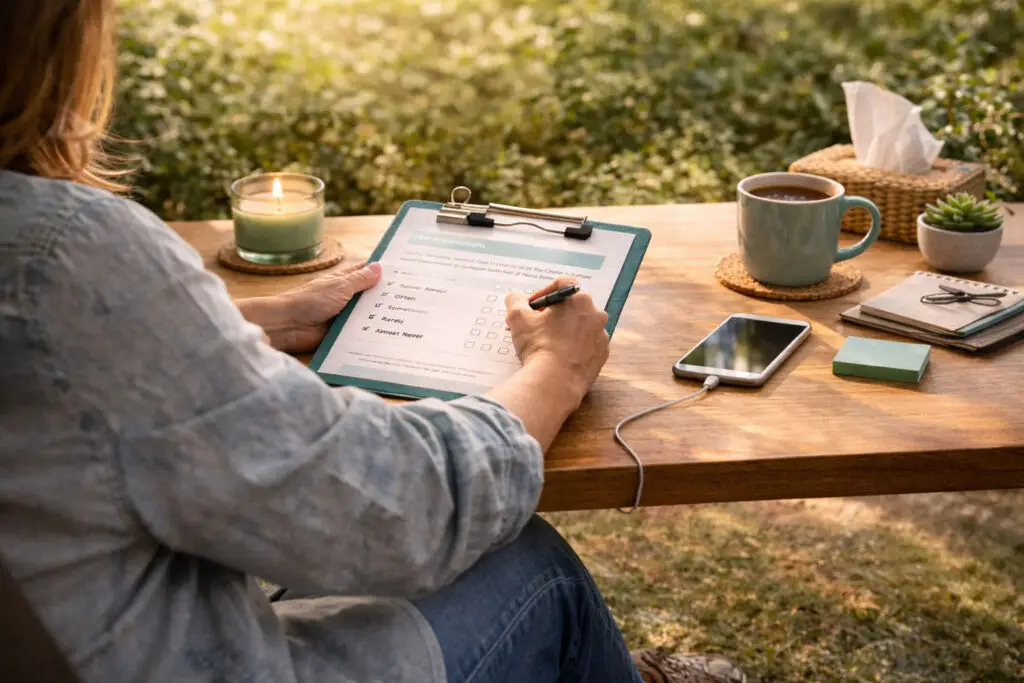
Mental health self-assessment tools are a helpful way to check in with yourself and better understand your emotional well-being.

Most of us will experience a mental health challenge at some point in our lives, and some live with a severe mental illness that requires ongoing treatment and support to maintain a healthy, fulfilling life.

“Mental fitness” refers to the state of well-being in which a person can think clearly, manage emotions effectively, cope with stress, and maintain focus and resilience in daily life.