Home » How It Works » First Responders
First responders face unique challenges every day with stressful calls, long hours, and regular engagement with high-stakes situations. Building and maintaining strong connections with colleagues, family, and peers is essential to managing these pressures and protecting mental and emotional health.
Meaningful relationships provide support, understanding, and a safe space to share experiences that others may not fully understand. Peer support, team camaraderie, and trusted friendships can reduce stress, prevent burnout, and help first responders process difficult situations in healthy ways.
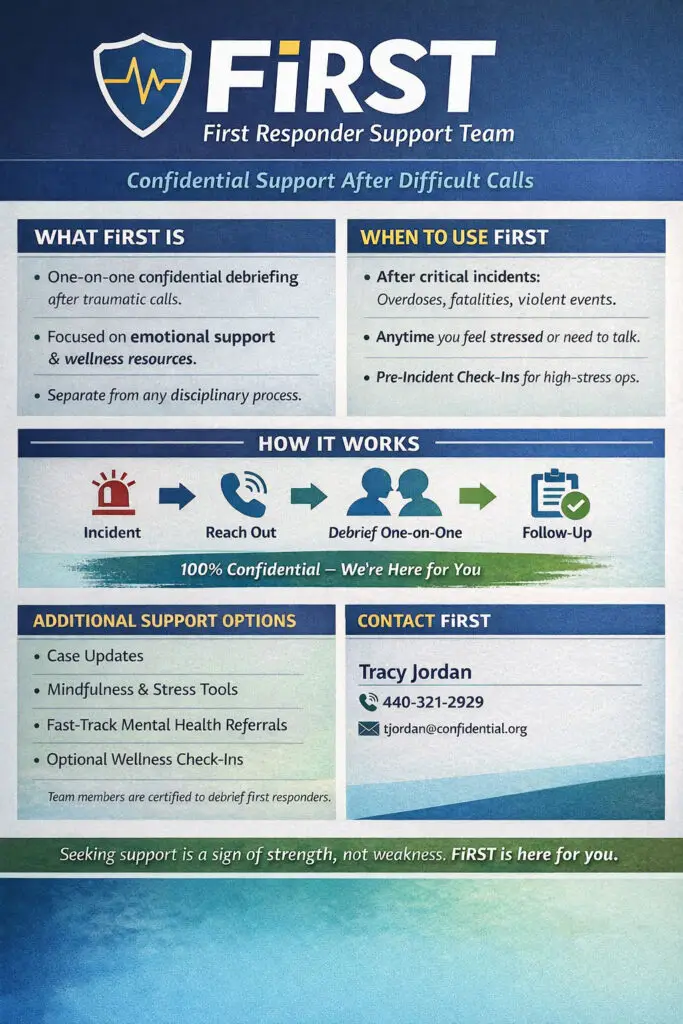
Connection also reinforces resilience. Engaging with supportive networks through debriefings, mentorship programs, or informal check-ins helps first responders feel less isolated and more capable of handling the demands of their work. Even small gestures, like checking in on a colleague or sharing experiences after a tough shift, can have a lasting impact on well-being.
Strong connections with peers, loved ones, and community are not just supportive—they are a foundation for mental strength, resilience, and long-term well-being in the demanding life of a first responder.
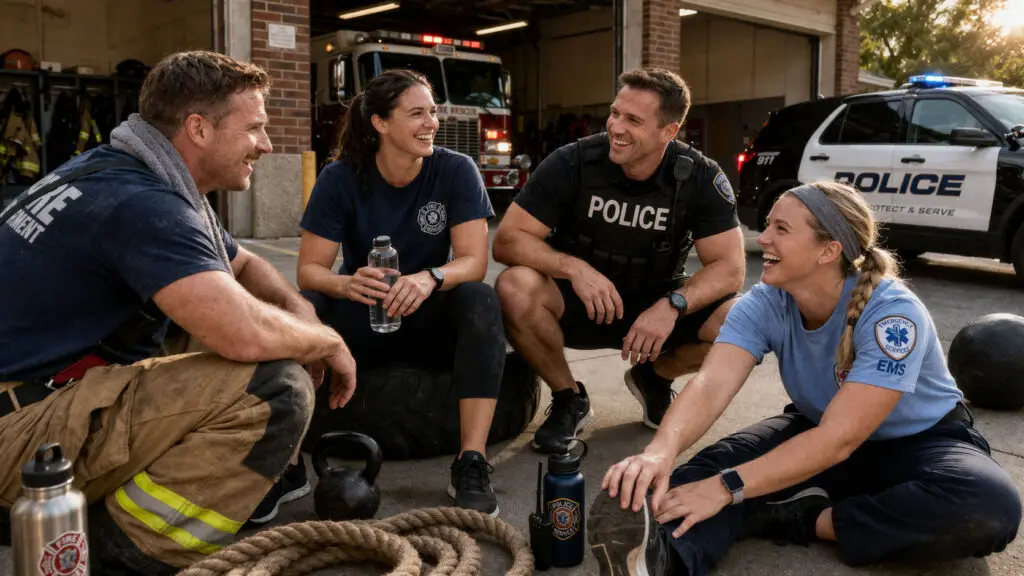
First responders face physically and emotionally demanding work every day. Maintaining regular physical activity is essential not only for physical fitness but also for mental resilience, stress management, and overall well-being.
Exercise helps first responders manage the physiological effects of stress, improve mood, increase energy, and maintain focus during high-pressure situations. Regular activity, whether strength training, cardio, team sports, or even daily walks, also supports better sleep, reduces fatigue, and strengthens long-term health, which is critical for those who respond to emergencies.
Physical activity can also foster team connection and camaraderie. Group workouts, department sports, or fitness challenges provide opportunities to build trust, communicate, and support one another by helping first responders stay connected both physically and emotionally.
It is a practical way for first responders to reduce stress, build resilience, and maintain the focus and energy needed to serve their communities.
First responders face high-stress, fast-paced, and often unpredictable situations. Practicing mindfulness by paying attention to the present moment without judgment can help manage stress, improve focus, and maintain emotional balance. Taking notice of your surroundings, thoughts, and feelings allows first responders to respond intentionally rather than react impulsively under pressure.
Mindfulness practices, such as focused breathing, short reflective pauses, or grounding exercises, have been shown to reduce anxiety, improve decision-making, and strengthen resilience. By creating small moments to notice the present, first responders can process challenging experiences, reduce mental fatigue, and support long-term emotional well-being.
Being present also enhances self-awareness and interpersonal connection. Whether it’s a check-in with a partner on the team, debriefing after a call, or simply noticing your own reactions during a shift, these practices help first responders manage stress and maintain strong relationships with colleagues and loved ones.

Mindfulness and taking notice aren’t just calming; they are practical tools that help first responders stay grounded, resilient, and prepared, even in the most challenging situations.
First responders are often focused on serving others, but acts of giving beyond the job—whether through mentoring, volunteering, or supporting peers—can also significantly enhance their own mental and emotional health. Contributing to the well-being of others fosters a sense of purpose, strengthens social bonds, and reinforces resilience.
Research shows that acts of generosity can improve mood, reduce stress, and boost overall life satisfaction. For first responders, giving can take many forms: mentoring a new team member, supporting a community initiative, or simply checking in on a colleague after a difficult call. These actions strengthen connections and create a supportive environment that benefits both the giver and the recipient.
Giving also reinforces a sense of identity and purpose outside of high-pressure work. Seeing the positive impact of your contributions can provide perspective, reduce burnout, and enhance overall emotional well-being.
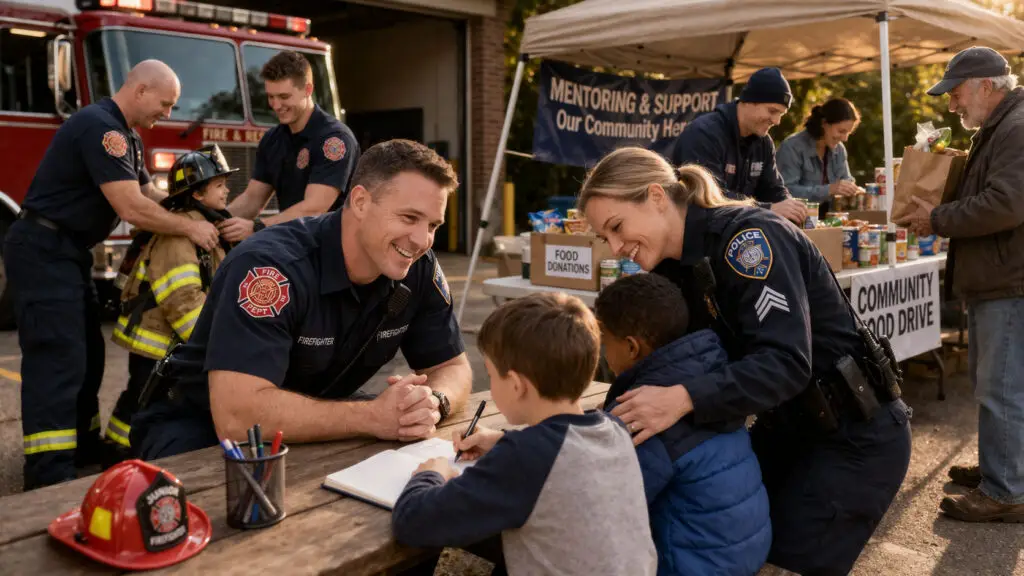
Acts of generosity and support aren’t just for others; they help first responders maintain resilience, purpose, and well-being while fostering stronger, healthier communities.
For first responders, the work is constantly evolving, and staying sharp—both mentally and emotionally—is critical. Continued learning, whether through professional training, skill-building, or personal development, supports resilience, confidence, and overall well-being.
Engaging in ongoing learning keeps the mind active, improves problem-solving, and strengthens the ability to handle high-pressure situations. Research shows that learning new skills and expanding knowledge can reduce stress, enhance self-efficacy, and provide a sense of accomplishment—all important for maintaining mental health in demanding roles.
Continued learning also offers opportunities for social connection. Training sessions, workshops, and team-based skill-building allow first responders to collaborate, share experiences, and strengthen trust and camaraderie. Even small steps, like reading about new techniques, taking an online course, or attending a seminar, can help first responders feel more prepared, confident, and capable.
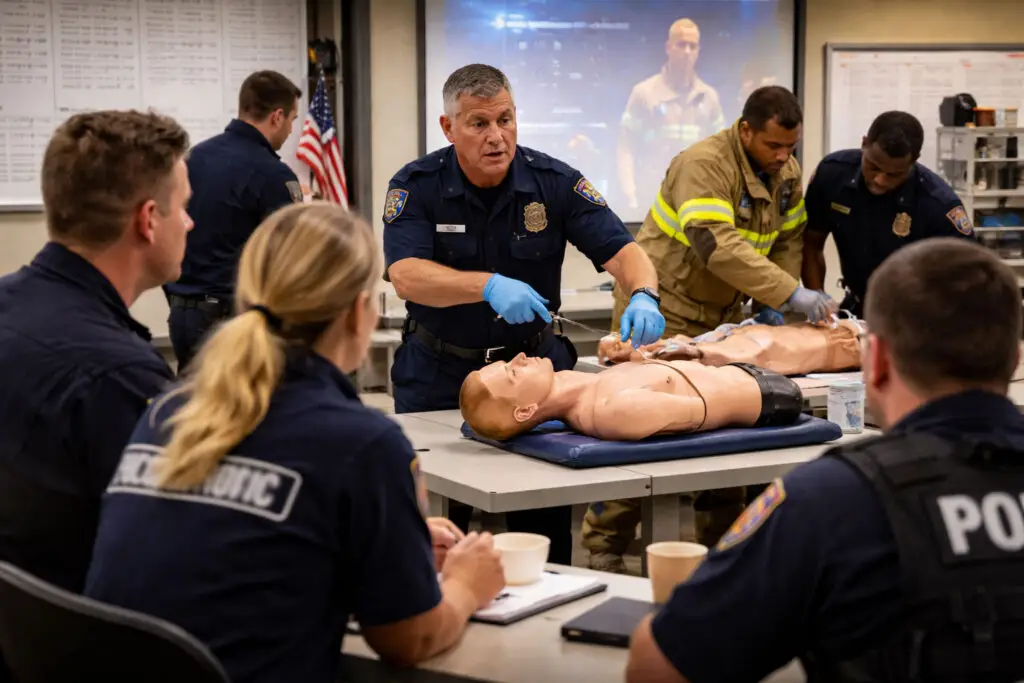
Continuing to learn isn’t just about knowledge; it’s about staying resilient, adaptable, and confident. Lifelong learning helps first responders maintain mental sharpness, build emotional resilience, and thrive in a demanding and ever-changing field.

In Geauga County, Catholic Charities offers a number of programs encompassing several service areas including early intervention services and education, employment services, and mental health and substance abuse programs for families & children. Our programs serve individuals of all faiths and ethnicities, and help people grow and thrive from youth all the way to those in their late stages of life.

Family Pride focuses on mental health services to meet your unique needs. We offer individual, couples, and family services in your own comfort zone. Family Pride makes accessing services easier by offering counseling and case management in the home, office, school, via telehealth or in your community.

Lake-Geauga Recovery Centers provides services for individuals and families struggling with substance abuse or addiction, mental health concerns or problem gambling. Evidence based services are provided in a trauma informed environment by licensed professionals in order that individuals may achieve overall wellness and long-term recovery.

Ravenwood Health strives to provide a safe and compassionate space that supports and respects the unique journey of each person’s path to healing. We service children, adults and families experiencing mental health or addiction concerns. Services include counseling, psychiatry and much more. Mobile crisis services and walk-in appointments available Monday-Thursday.