Home » How It Works » Seniors
Social connection plays a crucial role in helping seniors live well by supporting emotional, mental, and even physical health. Meaningful relationships with family, friends, neighbors, and community groups help reduce feelings of loneliness and isolation, which are linked to depression, anxiety, and cognitive decline. Regular social interaction can boost mood, self-esteem, and a sense of purpose.
Staying socially connected also encourages healthier behaviors and routines, such as staying active, attending appointments, and participating in community activities. Conversations and shared experiences stimulate the brain, helping to maintain memory and cognitive function. In addition, having a supportive social network can provide practical help during times of illness or life transitions.
Overall, social connection helps seniors feel valued, supported, and engaged, contributing to greater independence, resilience, and a higher quality of life as they age.

Staying active plays a vital role in helping seniors live well by supporting physical health, mental well-being, and overall quality of life. Regular physical activity helps maintain strength, balance, and flexibility, reducing the risk of falls and making everyday tasks easier. It also supports heart health, manages chronic conditions such as arthritis, diabetes, and high blood pressure, and can improve sleep and energy levels.
Beyond physical benefits, staying active promotes mental and emotional health. Exercise and social activities can reduce feelings of loneliness, anxiety, and depression while boosting mood, confidence, and cognitive function. Group activities, walking clubs, or community programs also provide valuable social connections, which are essential for emotional well-being.
Overall, remaining active empowers seniors to maintain independence, stay engaged in their communities, and enjoy a higher quality of life as they age.
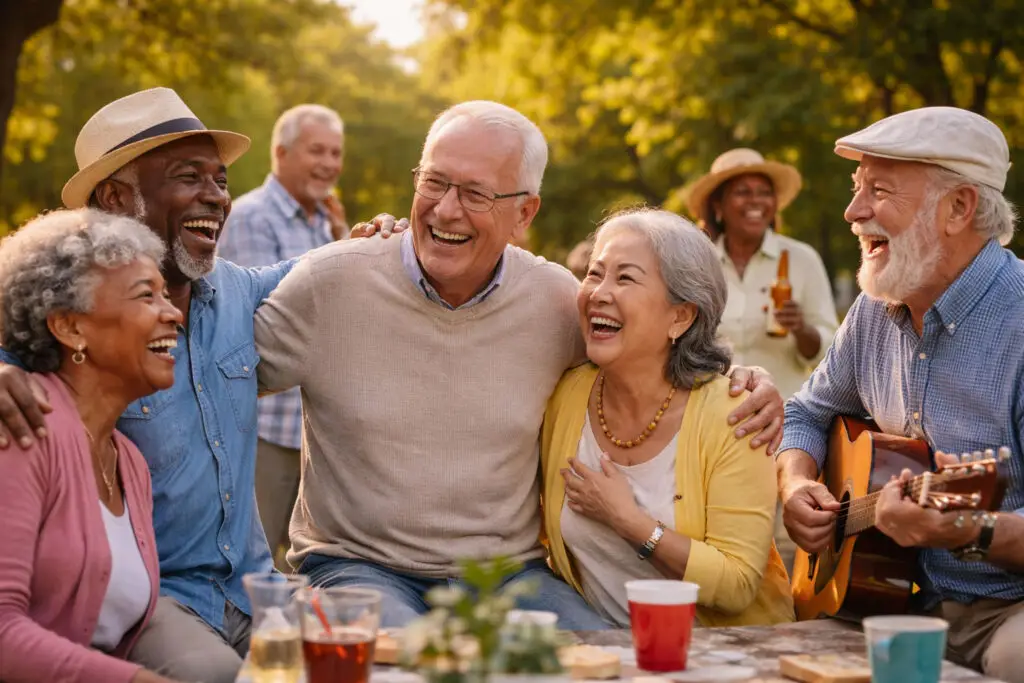
Staying active doesn’t require intense exercise! Regular movement, mental engagement, and social interaction all contribute to healthy aging and a better quality of life.

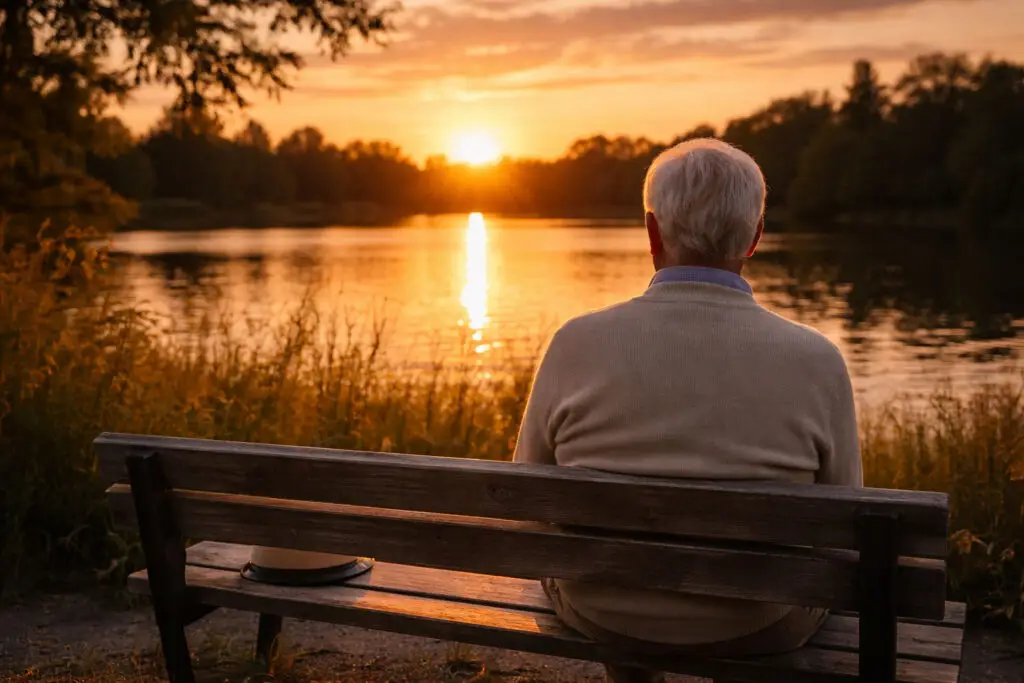
Taking notice—by being aware of what is happening in the present moment—helps seniors live well by supporting mental clarity, emotional balance, and overall well-being. Practicing awareness or mindfulness encourages individuals to slow down, appreciate daily experiences, and find enjoyment in simple moments, which can reduce stress, anxiety, and feelings of overwhelm.
Being present also helps seniors better recognize their thoughts, emotions, and physical needs, making it easier to manage health concerns and respond to changes. Taking notice can improve mood, increase gratitude, and enhance a sense of calm and contentment. Overall, staying aware of the present moment promotes emotional resilience, peace of mind, and a greater sense of fulfillment in daily life.
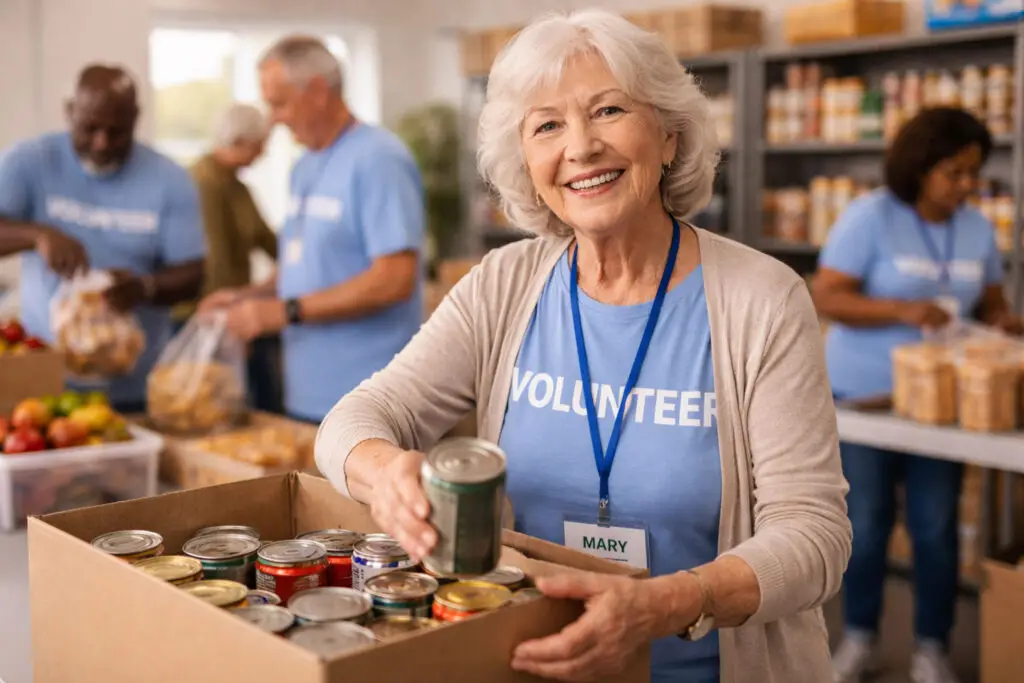
Helping others helps seniors live well by fostering a strong sense of purpose, connection, and self-worth. Volunteering or offering support to family, friends, or the community allows seniors to use their skills and life experience in meaningful ways, which can boost confidence and emotional well-being. Feeling useful and valued contributes to greater life satisfaction and resilience.
In addition, helping others often increases social interaction, reducing loneliness and strengthening relationships. It can also encourage seniors to stay active and engaged, supporting both physical and mental health. Overall, giving back promotes a sense of fulfillment, belonging, and meaning that enhances seniors’ overall quality of life.
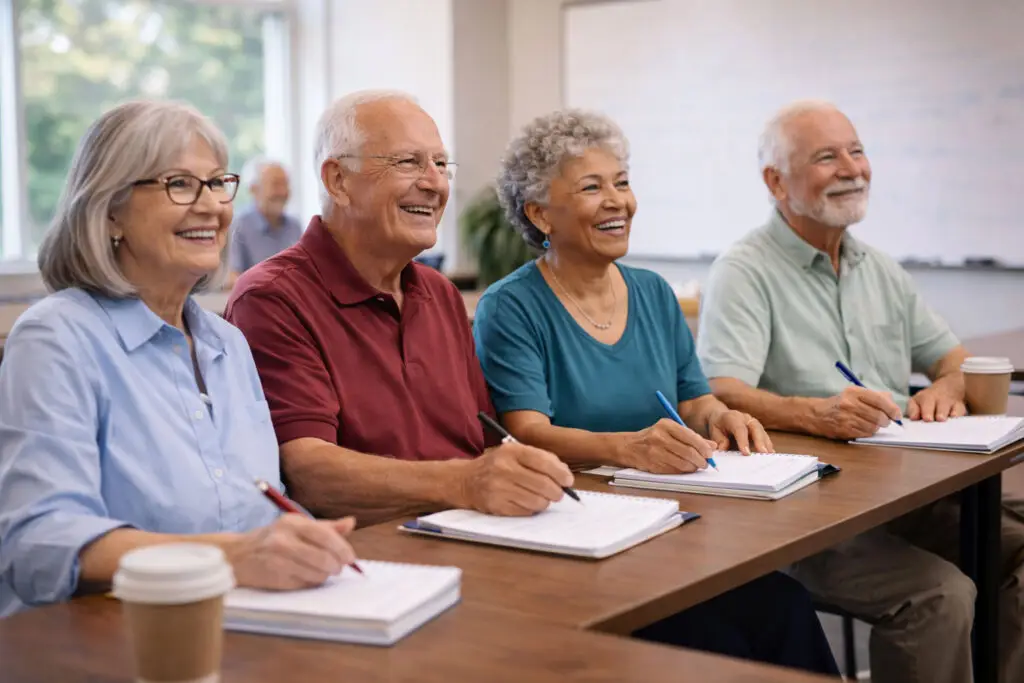
Continued learning experiences help seniors live well by supporting cognitive health, emotional well-being, and a strong sense of purpose. Engaging in new skills, classes, or hobbies keeps the brain active, which can help maintain memory, problem-solving abilities, and overall cognitive function. Learning also builds confidence and adaptability as seniors navigate changes associated with aging.
Beyond mental benefits, continued learning often creates opportunities for social connection, reducing isolation and fostering meaningful relationships. It encourages curiosity, creativity, and lifelong growth, helping seniors stay engaged with the world around them. Overall, ongoing learning empowers seniors to remain independent, fulfilled, and mentally sharp, contributing to a higher quality of life.

In Geauga County, Catholic Charities offers a number of programs encompassing several service areas including early intervention services and education, employment services, and mental health and substance abuse programs for families & children. Our programs serve individuals of all faiths and ethnicities, and help people grow and thrive from youth all the way to those in their late stages of life.

Family Pride focuses on mental health services to meet your unique needs. We offer individual, couples, and family services in your own comfort zone. Family Pride makes accessing services easier by offering counseling and case management in the home, office, school, via telehealth or in your community.

Lake-Geauga Recovery Centers provides services for individuals and families struggling with substance abuse or addiction, mental health concerns or problem gambling. Evidence based services are provided in a trauma informed environment by licensed professionals in order that individuals may achieve overall wellness and long-term recovery.

Ravenwood Health strives to provide a safe and compassionate space that supports and respects the unique journey of each person’s path to healing. We service children, adults and families experiencing mental health or addiction concerns. Services include counseling, psychiatry and much more. Mobile crisis services and walk-in appointments available Monday-Thursday.